
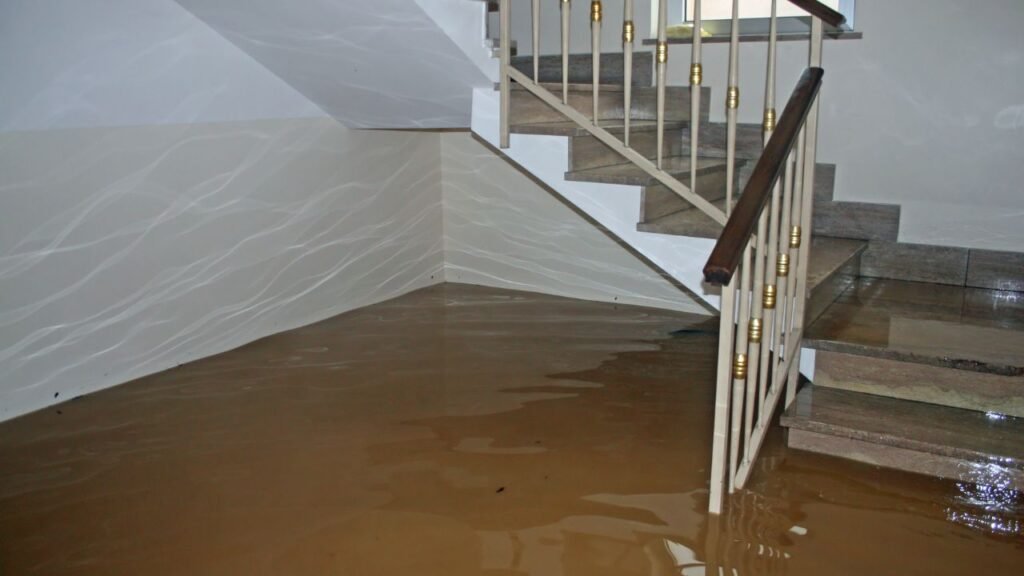
Flood Damage Restoration in Bellaire, TX
Once the water leaves your house, the real work starts. Floodwater from Brays Bayou or a flooded street carries sewage, soil bacteria, lawn chemicals and street runoff into everything it touches. Drying alone doesn’t make a flooded home safe. The contaminated materials have to come out, and what stays has to be cleaned and sanitized.
That’s what this service covers. Our team removes what can’t be saved, cleans what can, hauls the debris away, and documents all of it for your insurance claim.
-
Based on Bellaire Blvd
-
IICRC-certified technicians
-
Licensed & insured
Flood Damage Restoration Services at a Glance
| Service | When you need it | What’s involved |
|---|---|---|
| Floodwater cleanup & sanitization | Water came in from outside or up through a drain | Removing contaminated water and silt, cleaning, and antimicrobial treatment |
| Flood cuts | Floodwater touched your drywall | Cutting drywall 2 to 4 feet up, removing wet insulation and baseboards |
| Flooring, carpet & pad removal | Floors sat under floodwater | Removing carpet, pad and flooring that can’t be saved |
| Contents clean-out & debris hauling | Furniture and belongings were damaged | Sorting, photographing, removing and hauling away debris |
| Sewage backup cleanup | Water came up through a toilet, shower or floor drain | Full Category 3 cleanup and disinfection |
Floodwater Is Black Water: Category 3 Cleanup and Sanitization
The restoration industry sorts water damage into three categories. Clean water from a supply line is Category 1. Water from a dishwasher or washing machine is Category 2. Water that rises from outside, like Brays Bayou overflow or street flooding, is Category 3, also called “black water.” It’s treated as contaminated from the moment it enters your home.
In Bellaire, floodwater moves slowly across flat ground and sits on clay soil, so it picks up sewage, lawn chemicals and street runoff before it reaches your door. After it drains, it often leaves a layer of fine silt that holds bacteria against floors and walls.
How we handle Category 3 flood cleanup
- Our crew wears protective equipment, and we keep children and pets out of affected areas.
- We remove remaining water, mud and silt from floors, slabs and the bottoms of walls.
- We clean every surface the floodwater touched, including framing, slab and cabinet interiors, before anything is dried.
- We apply antimicrobial treatment to the structural materials that stay.
- We set up drying equipment and track moisture readings until the structure is dry.
Why sanitizing matters: When contaminated framing is dried without being cleaned first, odors and mold often show up months later, usually after new drywall has already been installed over it.
What Can Be Saved After a Flood?
This is the first question most homeowners ask. Here’s how we generally decide after Category 3 floodwater. Final decisions depend on how long the water sat, how high it rose, and what the moisture readings show.
| Material | Usually saved? | Why |
|---|---|---|
| Wall studs and framing | Yes, after cleaning and drying | Solid wood can be sanitized and dried |
| Concrete slab | Yes | Cleaned, treated and dried |
| Drywall below the water line | No | Absorbs contaminated water and grows mold |
| Fiberglass or cellulose insulation | No | Holds water and loses its insulating value |
| Carpet and carpet pad | No | Can’t be safely sanitized after black water |
| Solid hardwood flooring | Case by case | Depends on how long it was wet and how much it cupped |
| Engineered wood and laminate | Usually no | Layers swell and separate |
| Tile | Often yes | Depends on whether water got underneath |
| Baseboards and trim | Usually no | MDF swells. Some solid wood trim can be saved |
| Base cabinets | Case by case | Solid wood sometimes. Particleboard usually not |
| Upholstered furniture and mattresses | Usually no | Absorbent and hard to sanitize |
| Hard items (metal, glass, some solid wood furniture) | Often yes | Can be cleaned and disinfected |
We photograph everything before it’s removed. Your insurance adjuster needs to see what was damaged, not just an empty room.
Flood Cuts: Drywall, Insulation and Baseboard Removal
A flood cut is a straight, level cut along the walls of a flooded room. The drywall below the line is removed. It’s the standard way to get contaminated drywall out without tearing out entire walls.
How high should a flood cut be?
- About 2 feet when the water stayed low and moisture readings show the wicking stopped well below that.
- About 4 feet when the water rose higher or wicked up the wall. A 4-foot cut also lines up with a half sheet of drywall, which makes rebuilding cleaner and less expensive.
We decide the height with a moisture meter, not a guess. Drywall pulls water upward, sometimes well above the visible water line.
Once the walls are open, we:
- Remove wet insulation from the wall cavities
- Remove baseboards and the lower door casing
- Check the bottom plate, the board the wall sits on, for rot and contamination
- Clean and sanitize the exposed framing
- Leave the walls open until the framing is completely dry
Rebuilding in Bellaire: Flood repairs in Bellaire usually require permits, and the city’s floodplain rules can affect how a flooded home is rebuilt. Contact Bellaire Development Services at 713-662-8232 before you start. Our records of what was removed will help with that conversation.
Flooded Floor, Carpet and Pad Removal
Carpet and carpet pad
Carpet pad is always removed after a flood because it soaks up contaminated water like a sponge. Carpet soaked by Category 3 water comes out too. We cut it into strips, bag it and haul it away.
Hardwood floors
Many Bellaire homes have solid oak and other hardwood floors, and homeowners understandably want to save them. Hardwood that sat under floodwater for more than a short time usually cups and buckles, and traps contamination between the boards and in the subfloor. We check moisture levels and board condition, and explain what can be saved before anything is pulled up.
Engineered wood, laminate and luxury vinyl plank
These usually need to be removed. Even when the surface looks fine, water gets trapped underneath and against the slab.
Tile
Tile often survives a flood, but the grout, thinset and slab underneath still need to be checked and cleaned.
Once the flooring is out, we clean and treat the slab or subfloor so it dries properly before new flooring goes in.
Flood Debris Removal and Contents Clean-Out
After a big storm, Bellaire streets fill with curbside debris piles within days. Getting ruined materials out of the house quickly matters, because wet debris inside keeps humidity high and slows drying.
- Contents inventory: photos and a written, room-by-room list of damaged belongings for your contents claim
- Sorting: what can be cleaned, what needs specialist restoration (documents, photos, electronics), and what has to go
- Debris removal and hauling: wet drywall, insulation, flooring, carpet and ruined furniture removed from your home
Don’t throw anything away before it’s photographed. Insurance companies usually need to see damaged items, or clear photos of them.
Sewage Backup During Heavy Rain
Sewage backup is a separate problem from flooding, but it often happens during the same storms. Heavy rain overloads the sanitary sewer system, and sewage can come up through the lowest drain in your home, usually a ground-floor shower, tub or toilet. It can happen even when your street doesn’t flood, and even far from the bayou.
Sewage is Category 3 water and needs the same careful removal, disinfection and drying as floodwater. The City of Bellaire recommends installing backflow prevention on your sanitary sewer line to help stop it from happening again. Learn more on our sewage cleanup and backup removal page.
The First 72 Hours of Flood Cleanup
| Timeframe | What happens |
|---|---|
| First hours | Safety check (electricity, gas, structure), documentation photos, water and silt removal |
| Day 1 | Carpet and pad removal, flood cuts, wet insulation removal, contents sorting |
| Days 1–2 | Cleaning and antimicrobial treatment of framing and slab, debris hauling |
| Days 2–4 | Structural drying with dehumidifiers and air movers, daily moisture readings |
| When readings are normal | Final documentation, ready for rebuilding |
In humid Houston-area weather, mold can start growing on wet materials within 24 to 48 hours. That’s why removal happens on day one, not after the adjuster visits. Photos and moisture logs prove the damage even after the materials are gone. See how the drying stage works on our structural drying and moisture control page.
Hurricane and Storm Damage: Two Kinds of Water, Two Claims
Hurricanes and tropical storms often bring rising floodwater, wind-driven rain through damaged roofs and windows, and fallen trees, all in the same storm. Each type of damage may fall under a different insurance policy, so we document each one separately.
- Wind and roof damage: Water that came in through a storm-damaged roof or window is usually a homeowners insurance claim.
- Rising water: Water that came in at ground level is usually a flood insurance claim.
- Both at once: Common during hurricanes. Clear, separate documentation keeps both claims moving.
For tarping, board-up and attic drying, see our roof and storm damage restoration page.
Flood Cleanup Terms, Explained
- Category 3 water / black water: Contaminated water, including all floodwater and sewage.
- Flood cut: A level cut that removes drywall below a set height after flooding.
- Wicking: Water moving upward through drywall or wood above the visible water line.
- Antimicrobial: A treatment applied to cleaned surfaces to limit bacteria and mold growth.
- Moisture mapping: Measuring moisture throughout a room to find where the water spread.
- Backflow preventer: A valve on your sewer line that stops sewage from flowing back into the house.
After the Water Goes Down: A Bellaire Homeowner Checklist
- Photograph the water line on walls, inside and outside
- Call your flood insurance and homeowners insurance companies, and write down the claim numbers
- Keep children and pets out of flooded rooms
- Don’t turn power back on in flooded areas until it’s been checked
- Start removing wet materials within the first day or two
- Contact Bellaire Development Services (713-662-8232) before rebuilding
- Ask a plumber about sewer backflow prevention if water came up through your drains
- Keep every receipt for cleanup, hotel stays and replacement items
Flood Cleanup Questions We Hear Most
Can I clean up flood damage myself?
You can safely move belongings and take photos. Removing contaminated drywall and flooring without protective equipment is risky, and hidden moisture that gets missed often leads to mold later.
Do I have to wait for the adjuster before removing drywall?
Usually not. Most policies expect you to prevent further damage. Photograph everything first, and keep samples of removed materials in case your adjuster asks. Check with your insurance company to confirm.
My house didn’t flood, but the shower drain overflowed with dirty water. Is that flood damage?
It’s most likely a sewage backup, which insurance usually treats differently from flooding. Either way, treat it as contaminated.
Can we stay in the house during flood cleanup?
It depends on how much of the home was affected. If the living areas, bathrooms or kitchen were flooded, most families stay elsewhere until cleaning and sanitizing are finished.
How long does flood damage restoration take?
Removal and cleaning usually happen in the first one to two days, and structural drying typically takes another few days. The total depends on how much of the home was affected and how dense the wet materials are. We’ll give you a realistic timeline after the first inspection.